
Inventory Visibility in Manufacturing
Inventory visibility in manufacturing means knowing which materials are available, where they are and how they are being used. Current records help production, maintenance and purchasing coordinate decisions and respond earlier to potential shortages.

Key points
- Show availability and status as well as total quantity.
- Record movements close to the point of use.
- Turn reports into assigned purchasing and replenishment actions.
Production schedules and maintenance work depend on the right materials being available. When information is outdated or scattered, employees may search for supplies that are already on site while purchasing places another order.
Better inventory visibility helps a factory make these everyday decisions with a clearer view of stock and demand.
Why inventory visibility matters
A stock total is useful only when the team understands what it includes. Some items may already be allocated, awaiting inspection or stored in another area.
For consumables, check the available quantity and location. For shared equipment, also check custody and condition. These details help distinguish stock that exists from stock that can serve the current task.
IBM’s inventory overview identifies visibility as part of deciding when to order, how much to order and where stock should be held. Read the inventory-management overview.
The hidden costs of limited visibility
Poor information can create repeated small delays: locating a tool, confirming a balance or checking whether another department already ordered a part.
Common problems include stockouts, excess purchasing, misplaced items, unclear usage responsibility and differences between facilities’ records. Measure these problems before deciding where investment is most useful.
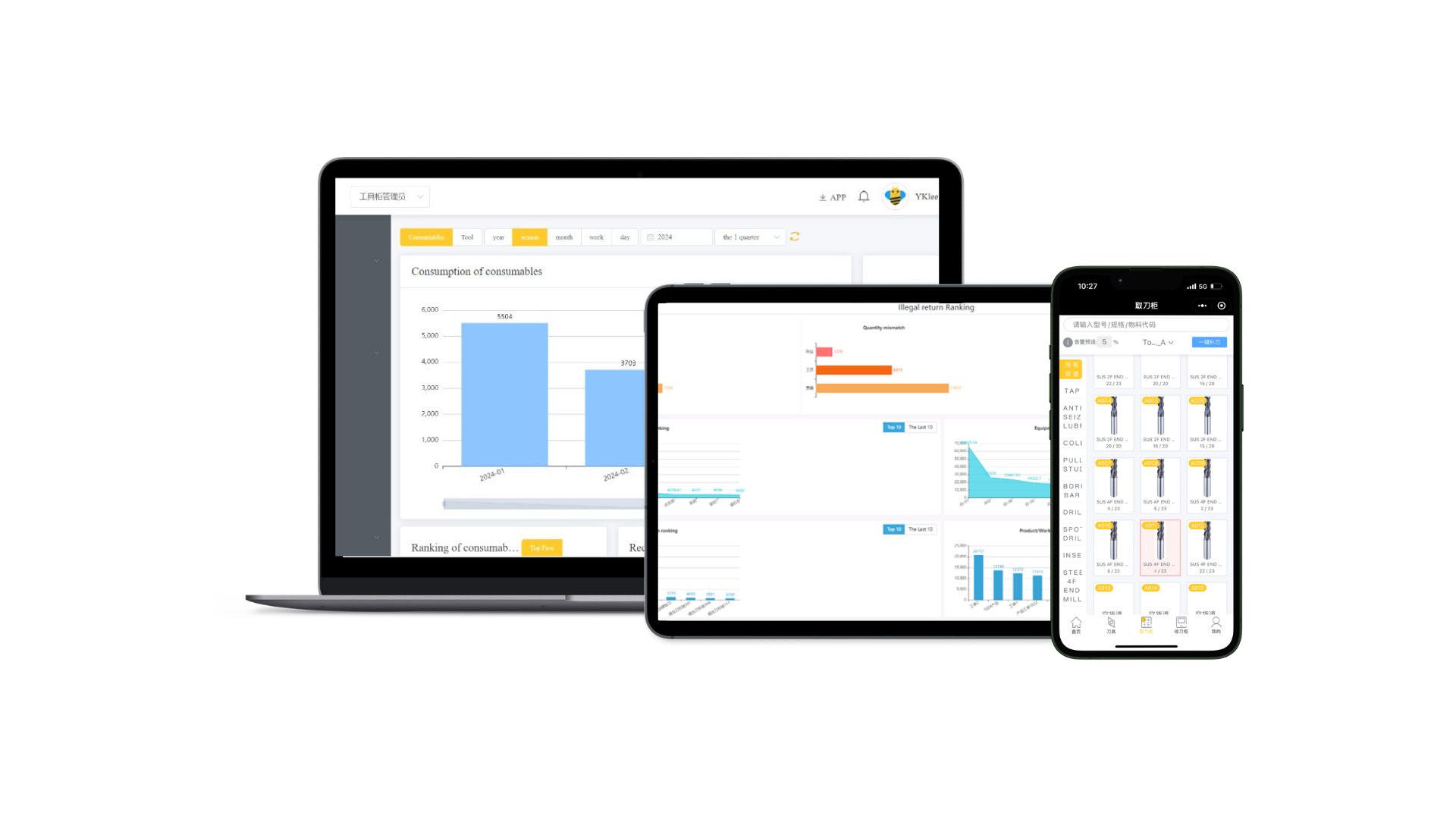
Moving beyond delayed manual updates
Paper logs and spreadsheets can work when activity is manageable and entries are consistent. Problems grow when transactions are missed or information reaches purchasing too late.
Recording movement closer to the point of use reduces that gap. Connected dispensing, scanning or weighing may help, depending on the materials and workflow.
SmartBeeBox’s weighing cabinets use sensors to update inventory as suitable items are removed or returned. Explore weighing-based inventory tracking. Routine checks and correct loading remain important.
Turning inventory information into decisions
Usage records help teams review demand, compare periods and investigate unexpected changes. Purchasing can check remaining stock and open orders; maintenance can review critical supplies; production can identify recurring collection delays.
Reports need interpretation. Higher tool consumption may reflect increased output, a different material or a process issue. Compare the activity with relevant operating information before deciding what to change.
Choosing suitable visibility solutions
Evaluate the problem before selecting a technology. For shared tools, custody and return records may matter most. For suitable loose consumables, quantity tracking may be the priority. For stock spread across departments, consistent location records may be the first step.
Confirm the proposed reporting, access controls and connections to other systems. If several locations are involved, check how transfers and delayed updates affect the displayed balance.
Building a more resilient operation
Visibility helps a team notice potential problems earlier, but somebody still needs to respond. Assign responsibility for replenishment alerts, stock discrepancies and unresolved returns.
Review supplier lead times and critical-item requirements regularly. A current dashboard cannot compensate for a purchasing process that has no clear owner.
An illustrative manufacturing example
A machining department cannot locate a box of inserts that appears in its stock record. A review finds that the box was transferred to another cell without an update.
The team introduces a transfer step and consistent location references. During a pilot, it checks search time, unrecorded transfers and emergency orders to assess whether the change improves availability.
This is an illustrative workflow rather than a reported customer outcome.
Improving visibility with SmartBeeBox
SmartBeeBox provides industrial inventory solutions for businesses in Malaysia and Singapore. Learn about the company and its support.
Start with the area where missing information causes the most disruption. Bring your item list, current records and replenishment process to the discussion so the proposed solution can be evaluated against a clear need.
Discuss manufacturing inventory visibility with SmartBeeBox.
Frequently asked questions
What is inventory visibility?
It is access to dependable information about stock quantity, location, status and movement. In manufacturing, that information supports production, maintenance and purchasing decisions.
What does the 80/20 rule mean for inventory?
It suggests that a relatively small group of items may account for much of the value or usage. Treat it as a starting point for analysis and separately consider critical spares.
How can a manufacturer improve inventory visibility?
Use consistent item and location records, capture receipts and withdrawals promptly, record transfers and returns, and check physical stock against the system.
What is the golden rule of inventory?
A useful principle is to make suitable stock available in the right place when needed, while controlling unnecessary holdings. Accurate records help the team find that balance.