
How to Reduce Inventory Waste with - 9 Practical Strategies
Reducing inventory waste means preventing unnecessary purchases, damage, expiry and obsolescence. Better planning, reliable stock records, suitable storage and regular review help businesses use materials effectively while protecting essential availability.
Key points
- Measure the causes of waste before changing purchasing.
- Identify excess stock without removing justified critical spares.
- Combine clear procedures with useful inventory information.
Inventory provides value when it supports production, service or sales. When materials remain unused, expire or become damaged, the business loses part of that value while still carrying the storage and purchasing costs.
The following nine strategies help teams reduce avoidable waste and use inventory more effectively.
Why inventory waste matters
Waste can include expired supplies, obsolete components, damaged products and purchases that duplicate stock already held. Unnecessary handling and searching also consume time.
The US Environmental Protection Agency recommends tracking materials and waste to identify improvement opportunities. For inventory teams, a practical application is to record what is discarded and why before selecting corrective actions. Read EPA waste-reduction guidance.
1 Improve demand forecasting
Review historical usage alongside planned production, maintenance and seasonal demand. Check whether changes in the business make older patterns less relevant.
Forecast uncertainty should be visible. For irregularly used critical spares, consider failure impact and supplier lead time rather than relying only on average consumption.
2 Strengthen inventory control procedures
Define how stock is received, inspected, stored, issued and returned. Keep unsuitable materials separate from available stock.
Use cycle counts and record reviews to identify differences early. Correct the underlying cause as well as the recorded balance.
3 Use an inventory management system
Bring item identities, locations and movements into a consistent process. A shared system helps teams check available stock before requesting more.
The system includes people and procedures as well as technology. Assign ownership for keeping information current across shifts and locations.
4 Use software to support routine work
Configure the software functions that address your actual problems, such as stock alerts, transaction records and usage reports. Confirm what is included and how exceptions are handled.
SmartBeeBox’s software provides real-time inventory tracking and collection-and-return functions. Explore SmartBeeBox software. Good item records remain essential to interpreting the information correctly.
5 Monitor turnover and slow-moving items
Review materials that remain unused for long periods. Check whether they are surplus, obsolete, awaiting allocation or retained as justified emergency spares.
Possible actions include an approved transfer to another site, reduced purchasing or an agreed supplier return. Any disposal should follow the relevant requirements for the material.
6 Improve warehouse organisation
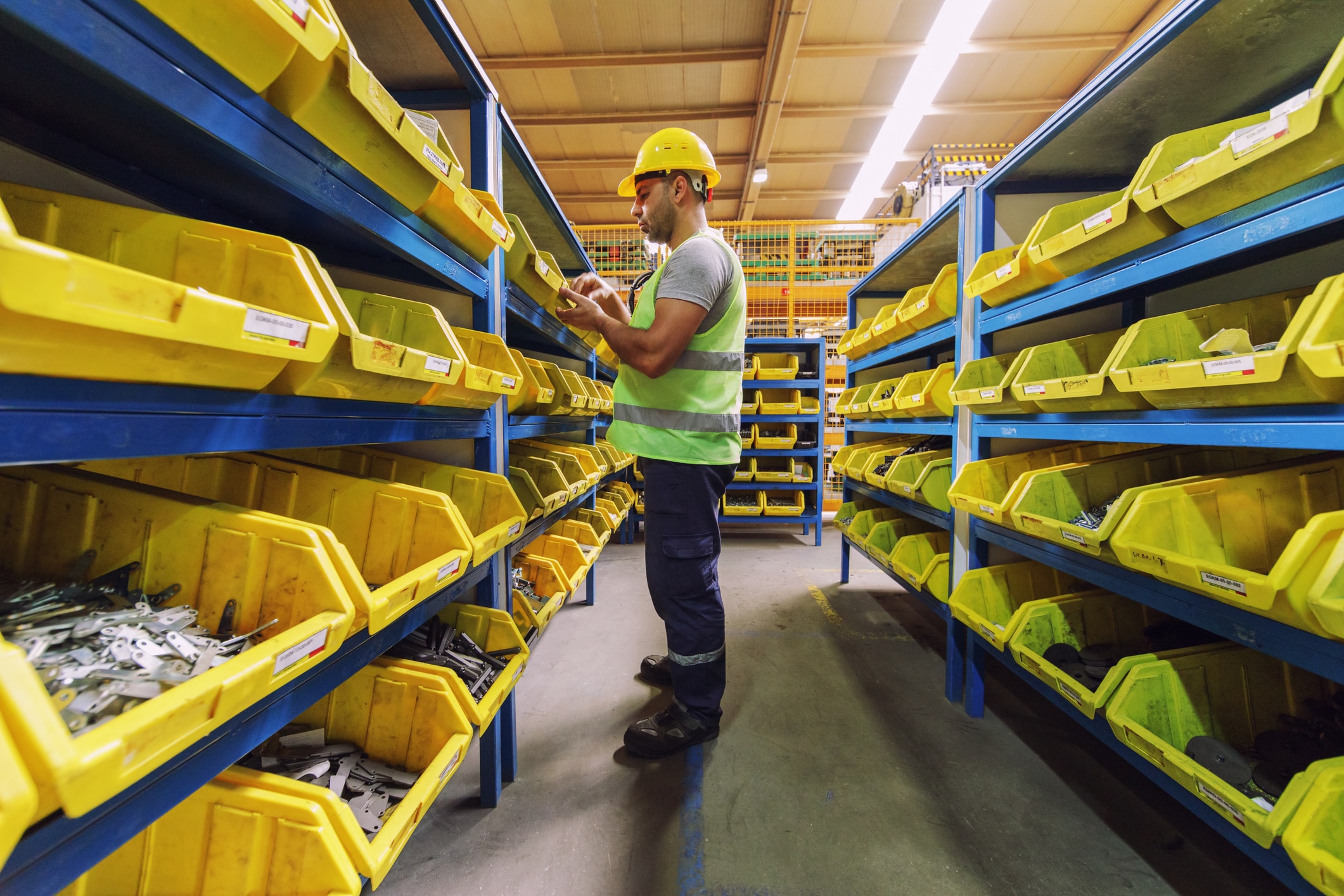
Clear labels and defined locations reduce the risk of misplaced items and duplicate purchases. Storage conditions should suit the material and packaging.
For dated stock, use an appropriate rotation process so earlier-expiring suitable items are considered first. A clear location alone cannot protect materials stored under unsuitable conditions.
7 Coordinate with suppliers
Discuss delivery reliability, order quantities and changes in demand. Where commercially available, smaller deliveries or return arrangements may reduce unnecessary stockholding.
Do not lower safety stock solely because communication has improved. Review actual lead-time performance and the consequences of shortage.
8 Establish accountability
Define responsibility for stock adjustments, returns, replenishment and waste reporting. Make the process easy enough to follow during normal work.
Review usage alongside production activity. High consumption may be legitimate; investigate the cause before applying restrictions.
9 Review inventory information regularly
Track measures such as stock discrepancies, emergency purchases, obsolete stock value and discarded quantities. Use consistent periods and units so comparisons are meaningful.
Review one cause at a time and check whether the corrective action works. This creates a repeatable improvement process rather than a one-off clean-up.
An illustrative waste-reduction example
A workshop finds unopened consumables stored in several departments while new orders continue arriving. The team creates named locations, reconciles the records and checks existing stock before purchasing.
It then measures duplicate orders and discarded stock over a comparable period. This example describes a possible process improvement, not a customer savings claim.
Financial benefits and lasting habits
Reducing unnecessary purchasing can release working capital, while avoiding damage and obsolescence preserves the value of materials already bought. Storage costs may also change where space or handling requirements are reduced.
Sustaining those benefits requires clear ownership, staff training and regular review. Protect essential availability while removing the causes of avoidable waste.
Discuss inventory waste reduction with SmartBeeBox.
Frequently asked questions
What causes inventory waste?
Common causes include inaccurate purchasing, unrecorded stock, unsuitable storage, damage, expiry and obsolete materials. Record the reason for each write-off to identify recurring problems.
Should all slow-moving inventory be removed?
No. Some slow-moving items are critical spares. Review operational importance, alternatives and replacement lead time before reducing or removing them.
How can a business measure inventory waste?
Track discarded, expired or obsolete quantities and values over a defined period, with clear reasons. Keep measures consistent and compare them with workload or purchasing activity.