
Enhancing Employee Accountability with Smart Inventory Technology
Employee accountability in inventory means clear responsibility for collecting, using and returning workplace supplies. Smart inventory technology supports it through user-linked records and consistent access processes, alongside training and fair follow-up.

Key points
- Define responsibilities before introducing technology.
- Use records to investigate gaps and improve processes.
- Make accountability apply to managers and the organisation too.
When several employees share tools and materials, unclear handovers can create lost time and missing equipment. A record of who collected an item helps, but accountability also depends on clear expectations and a workable return process.
Smart inventory technology can make these activities easier to record and review. The objective is a dependable process that employees understand and can follow.
What employee accountability means
Accountability means taking responsibility for agreed actions and explaining the outcome. In inventory work, that may include selecting the correct item, recording collection, reporting damage and returning shared tools on time.
An identified transaction is useful evidence of a recorded event. It does not show everything that happened afterwards or automatically establish the cause of a discrepancy.
Five elements of a practical accountability process
Clear expectations
Explain how items should be accessed, handled and returned. Make the procedure available to every shift, including new and temporary staff.
Ownership of tasks
Assign responsibility for collection, replenishment, stock adjustments and follow-up. Shared work needs named owners for the steps that might otherwise be missed.
Transparency
Explain what the system records and why. Give staff access to the information needed to check their own transactions and report errors.
Measurement and tracking
Use measures such as incomplete returns or unresolved discrepancies. Define them clearly and interpret them alongside workload and team responsibilities.
Consistent follow-through
Recognise good practice and address repeated problems fairly. First confirm whether the issue arose from unclear instructions, a system fault, an incorrect record or behaviour that needs attention.
Four levels of accountability
Personal accountability covers an employee’s own collection and return actions. Team accountability covers shared tasks, such as leaving equipment ready for the next shift.
Managers are responsible for clear rules, training and responding to problems. Organisational accountability includes providing suitable systems, enough supplies and an operating process that staff can reasonably follow.
These levels work together. Employees cannot maintain dependable records if the organisation routinely requires unrecorded emergency access without a way to reconcile it.
Common obstacles
Manual logs can contain missing entries. Shared accounts can obscure the collector. Equipment moved between teams without a handover can appear lost even when it is still in use.
Audits also become difficult when records have to be reconstructed from several sources. Identify where information is being missed before deciding which technology will help.
How smart inventory technology supports accountability
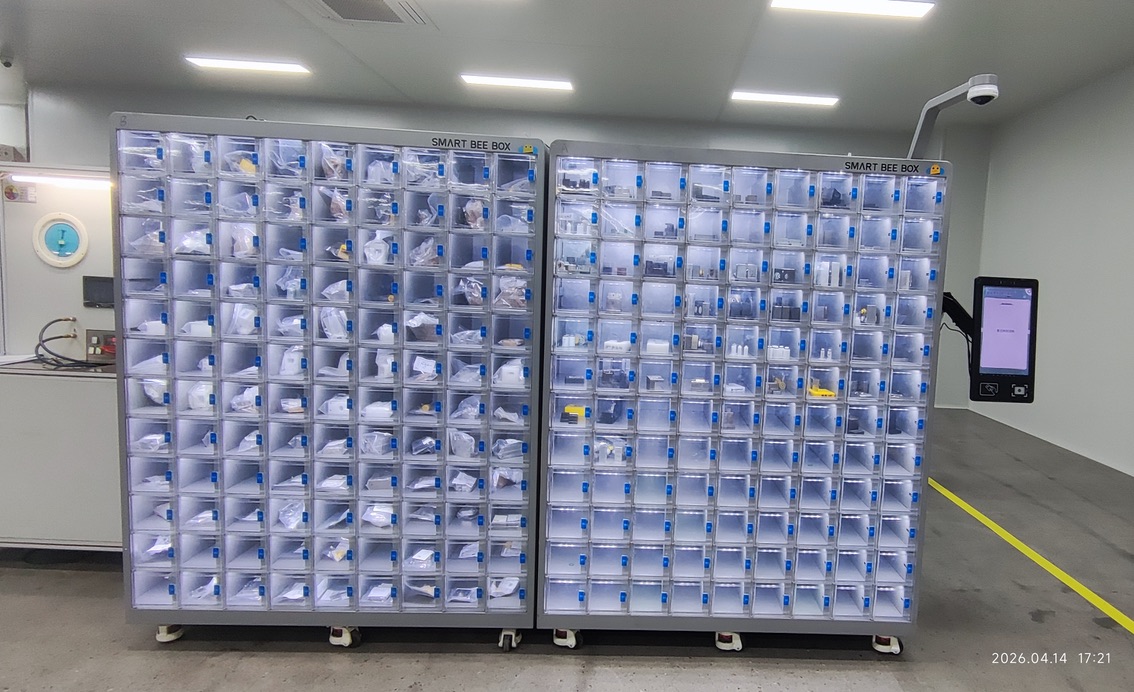
Individual access, collection records and return workflows can create a more consistent account of inventory activity. SmartBeeBox’s software supports tool collection and return. Explore the software.
Confirm exactly what the proposed system identifies: a user, a compartment, an item or a quantity. Automated records are most useful when their meaning and limitations are understood.
Practical implementation steps
- Set a small number of accountability goals.
- Configure individual access and review permissions when roles change.
- Train staff on normal use and exceptions.
- Assign ownership for overdue items and stock discrepancies.
- Review the process with employees and correct recurring problems.
Use unusual usage as a starting point for discussion. A busy operator collecting supplies for an authorised team task may reasonably have a higher count than another employee.
An illustrative shared-tool handover
An employee collects a shared drill and later passes it to another team member. Without a recorded transfer, the system still shows the first employee as custodian.
A defined handover procedure resolves the gap. The example shows why clear rules and practical workflows are as important as the initial login.
Building consistent habits
Accountability becomes more reliable when equipment is easy to access, responsibilities are clear and discrepancies receive timely attention. Technology supports these habits by making agreed actions easier to record.
Discuss accountable tool handling with SmartBeeBox.
Frequently asked questions
What is an example of inventory accountability?
An employee records collection of a shared tool, reports any damage and completes the agreed return or transfer process. The stock owner follows up when the record is incomplete.
Does high consumption prove that an employee is wasting supplies?
No. Review workload, production changes, team collection duties and recording errors before drawing conclusions.
How can managers improve accountability without creating unnecessary friction?
Make the process clear and convenient, explain the purpose of records, provide training and investigate discrepancies fairly. Managers should also act on system and supply problems.