
What Is Inventory Management
Inventory management is the process of planning, receiving, storing, tracking and replenishing the goods a business sells or uses. It helps maintain suitable availability while controlling excess stock, waste and unnecessary purchasing.

Key points
- Record the movement of goods throughout the process.
- Balance stock availability with storage and purchasing costs.
- Use physical checks to support reliable digital records.
Businesses that handle physical products need a dependable way to manage their flow. Raw materials, production components, finished goods and operating supplies all require attention, although their planning needs differ.
Inventory management connects these everyday activities so teams can see what is available and decide what to order next.
Understanding the basics
Inventory moves from suppliers into storage, through production or distribution, and eventually into use or sale. A useful inventory process follows those movements and records changes consistently.
IBM’s overview connects inventory visibility with decisions about when to order, how much to order and where stock should be stored. Read the inventory-management overview.
The practical aim is to support demand without keeping more stock than the business can reasonably use.
Why inventory management matters
Missing materials can delay work or customer orders. Excess stock occupies space and commits cash, while unused products may deteriorate or become obsolete.
Accurate inventory information helps purchasing and operations make decisions from the same starting point. It also makes unusual consumption or recurring discrepancies easier to investigate.
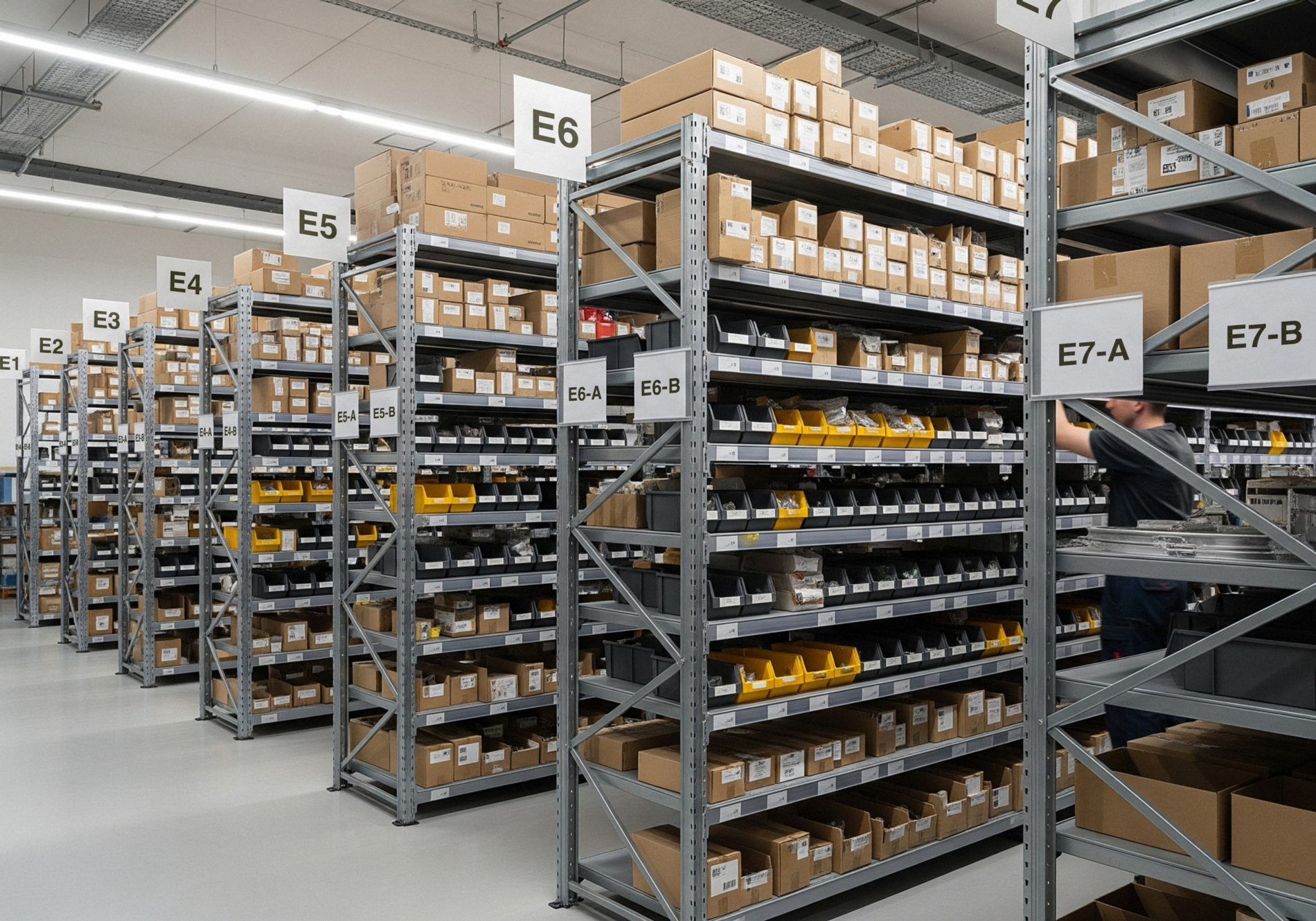
The main inventory management processes
Receiving and storage
Check deliveries against the order, record the correct item and quantity, and assign a storage location. Separate damaged or unsuitable goods from available stock.
Tracking movement
Record issues, transfers, consumption and returns. Use consistent units: a box containing ten pieces should not be treated as one piece in another record.
Replenishment
Review usage and supplier lead times when deciding when to order. Check outstanding orders before creating another purchase request, and confirm the replacement stock when it arrives.
Inventory management best practices
Give items clear identifiers and keep their descriptions consistent across purchasing and storage. Organise locations so employees can find the intended item without guessing.
Use cycle counts to compare selected physical quantities with records. Investigate the cause of differences before simply changing the balance.
Automation can reduce repeated entry, but reliable item data and trained staff remain important. Start with a manageable area and review the results before expanding.
How inventory connects with the supply chain
Supply chain management covers the wider movement of goods, including suppliers, production, transport and distribution. Inventory management supports that flow by keeping track of materials at the relevant stages.
Sharing information about stock, outstanding orders and supplier delivery times can help departments coordinate plans. Integration should include clear ownership of records and a process for resolving failed updates.
Examples across different businesses
The following are illustrative applications, not customer case studies:
- A retailer reviews sales and remaining quantities before reordering popular products.
- A manufacturer tracks components issued to production and consumables used by operators.
- A healthcare organisation manages supply availability alongside its clinical and storage procedures.
- A service team records spare parts and shared equipment needed for field work.
In a simple stock example, receiving 100 pieces and then issuing 20 leaves a recorded balance of 80, provided no other movements occurred. Recording the next delivery completes the same cycle.
The role of technology
Inventory software brings stock quantities, storage locations and transaction records together. When collection and return are recorded at the cabinet, teams can see who took an item, when it moved and what remains available.
SmartBeeBox connects this information with controlled storage. Origo smart lockers organise shared tools in compartments, while Orbix carousel storage provides controlled access to stored items. Both support traceable collection and return through the SmartBee platform.
Building a reliable inventory process
Begin with clear records, defined locations and someone responsible for replenishment. These basics create a foundation for better purchasing and more dependable access to supplies.
Discuss inventory management with SmartBeeBox.
Frequently asked questions
What is inventory management in simple terms?
It means knowing what stock the business has, where it is, how it moves and when more is needed.
What is the difference between inventory control and inventory management?
Inventory control usually focuses on stock accuracy and handling within an operation. Inventory management also includes planning, purchasing and replenishment. The terms sometimes overlap.
Can small businesses start with spreadsheets?
Yes, if records are maintained consistently and the process remains manageable. Consider other tools when transaction volume, locations or reporting needs make the current method unreliable.