
The Future of Inventory Control: Key Trends for 2026
Inventory control priorities for 2026 include automation, real-time stock visibility, resilient replenishment, balanced safety stock, system integration and waste reduction. Reliable records help manufacturers turn those priorities into timely operational decisions.
Key points
- Connect stock movements with current records.
- Balance replenishment needs with suitable safety stock.
- Use inventory information to improve purchasing and reduce waste.
Inventory control plays an important role in keeping operations running efficiently. For businesses planning improvements in 2026, the priorities include reducing manual errors, improving stock visibility and responding earlier to replenishment needs.
These priorities build on established inventory practices. The opportunity is to connect them more effectively through automation, reliable data and coordinated processes.
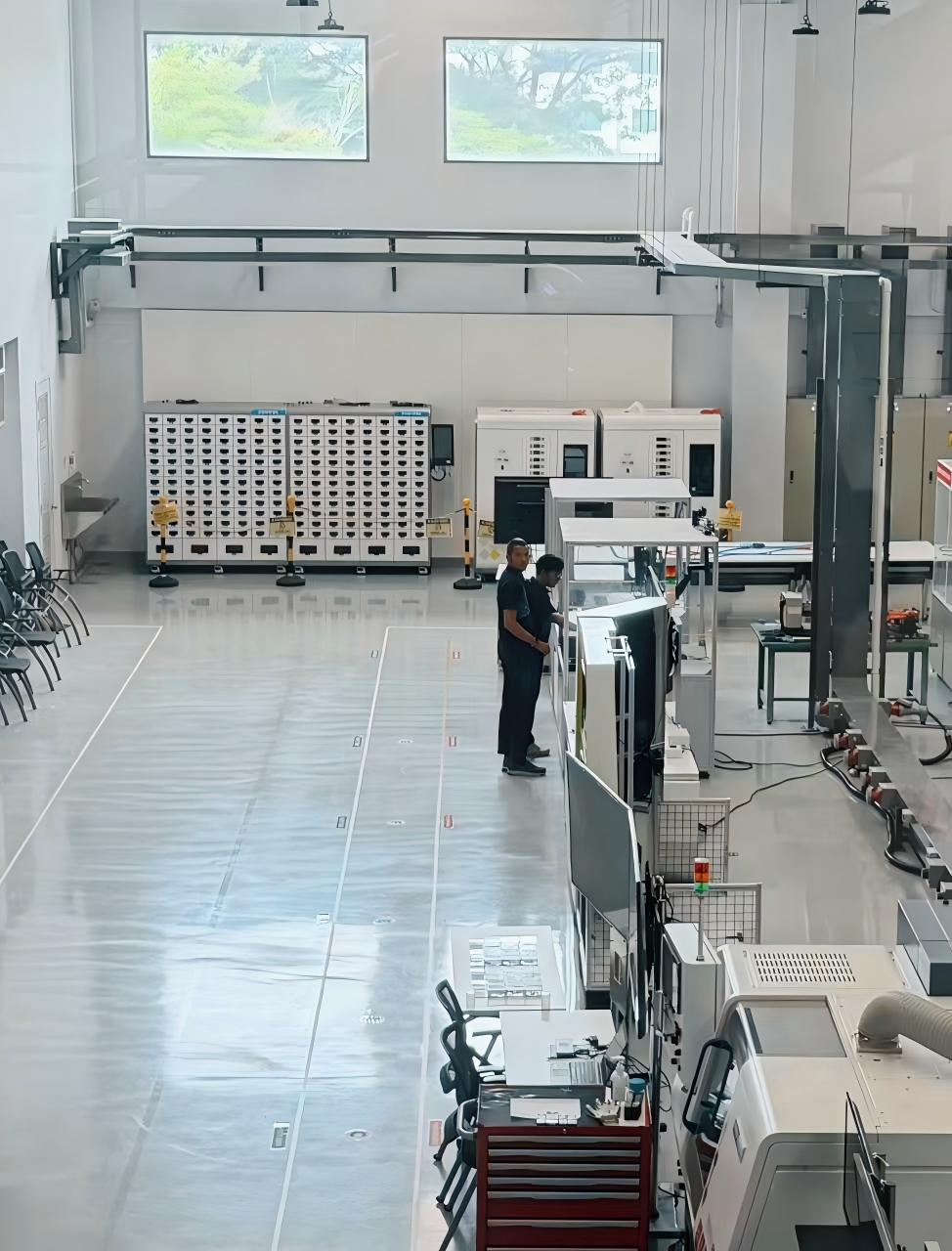
For manufacturers in Malaysia and Singapore, this can mean better control of cutting tools, personal protective equipment (PPE), and maintenance, repair and operations (MRO) supplies.
Inventory Control Trends at a Glance
The key areas to focus on in 2026 are:
- Connected technology: Make stock information easier to access.
- Automation: Reduce manual recording and improve traceability.
- Supply chain resilience: Prepare for delivery delays and changing demand.
- Visibility across locations: Coordinate stock between facilities.
- Balanced stock levels: Combine efficient stockholding with suitable safety stock.
- System integration: Connect inventory with purchasing, production and finance.
- Waste reduction: Identify excess and unused materials.
Connected Technology Improves Inventory Visibility
Traditional inventory control often depends on spreadsheets, manual stock checks and orders placed after a shortage becomes apparent. When updates are delayed, recorded quantities can differ from what is physically available.
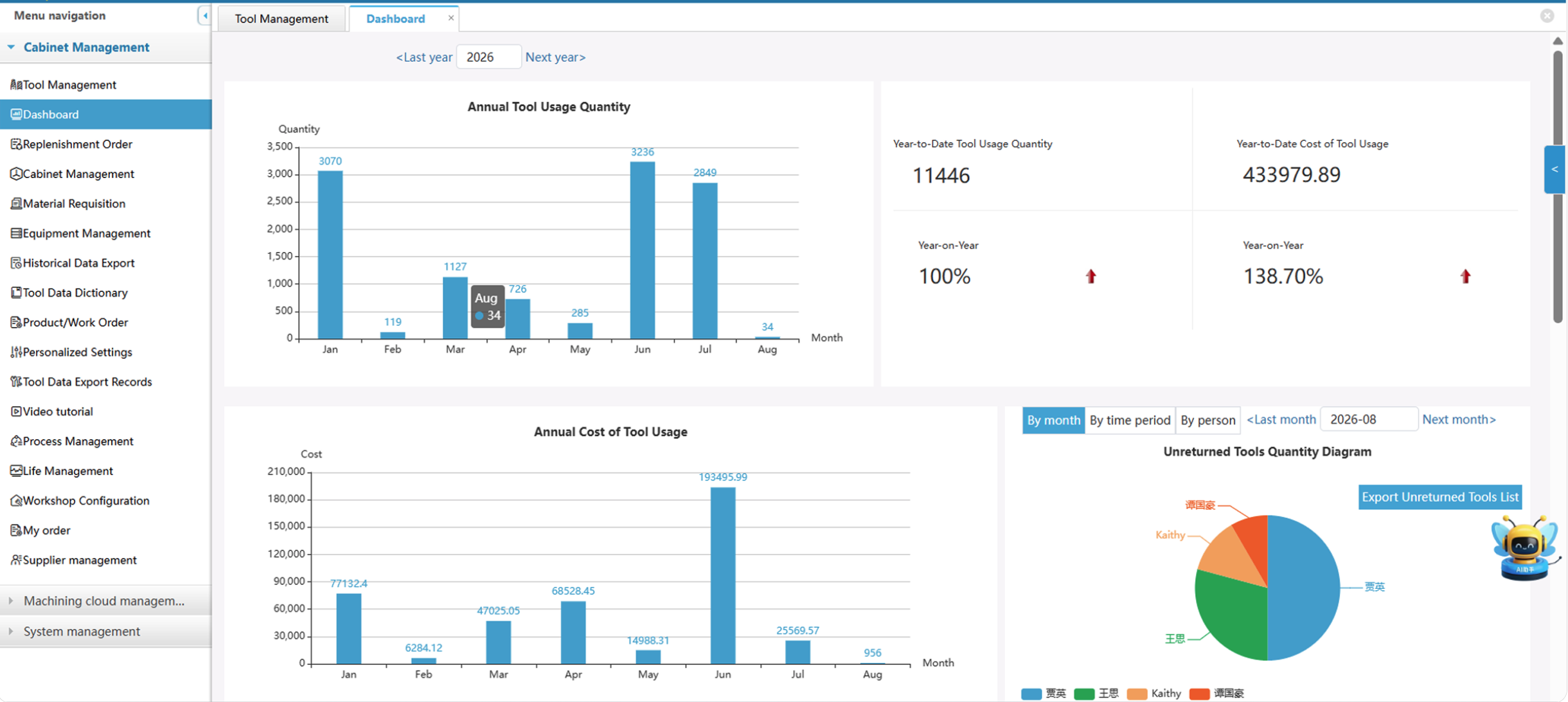
Connected inventory systems help teams monitor stock movements and identify when action is needed. Depending on the solution, this can include real-time tracking, replenishment alerts and shared dashboards.
Whether materials are stored in a central storeroom or near the production line, the objective is the same: give the people responsible for inventory accurate, accessible information.
Automation Helps Reduce Manual Errors
Incorrect counts, misplaced items and missed transactions can disrupt a carefully planned inventory process.
Automation helps by recording stock movements during everyday activities, including receiving materials, issuing supplies and returning tools.
For example, SmartBeeBox’s weighing cabinets use weight sensors to update stock information as items are removed or returned. This reduces reliance on employees entering each quantity manually. Explore SmartBeeBox weighing cabinets
Accurate operation still depends on suitable items, correct configuration and consistent loading procedures. Automation should be supported by routine checks and a clear process for investigating discrepancies.
Inventory Control Supports Supply Chain Resilience
Inventory planning influences how well a business can continue operating when deliveries are delayed or demand changes.
Building resilience requires balancing efficient stockholding with preparation for disruption.
Businesses can strengthen their approach by:
- Identifying alternative suppliers for critical materials.
- Reviewing supplier performance and actual delivery times.
- Maintaining appropriate safety stock for items that could interrupt production.
- Assigning responsibility for responding to replenishment alerts.
A shortage of one essential component can matter more than a large quantity of surplus materials elsewhere. Stock decisions should reflect each item’s operational importance.
Real-Time Visibility Across Multiple Locations
For businesses operating across several facilities, a shared inventory view helps teams coordinate supplies.
When supported by the system, managers can review:
- Available stock at each location.
- Material consumption by department.
- Outstanding replenishment requirements.
- Differences between recorded and counted quantities.
This information can help teams identify stock available for transfer before making another purchase.
Transfers also need to be recorded correctly. Otherwise, moving materials between locations can create new gaps in inventory visibility.
Balancing Lean Inventory with Safety Stock
Lower inventory can reduce storage requirements and release working capital. However, stock levels that are too low leave operations exposed when consumption increases or deliveries arrive late.
A common planning principle is:
Reorder point = expected demand during replenishment lead time + safety stock.
Oracle’s inventory guidance describes reorder point planning using demand during lead time and safety stock, while considering available stock and planned receipts. Oracle Inventory User’s Guide
A Simple Replenishment Example
Suppose a workshop uses 10 cutting inserts per working day. Replenishment takes five working days, and the business sets aside 20 inserts as safety stock.
The starting reorder point would be:
10 × 5 + 20 = 70 inserts.
This is an illustrative calculation, not a customer result or a recommended setting for every workshop. Actual planning should account for changing consumption, supplier reliability and outstanding orders.
Reviewing these factors regularly helps businesses control excess stock while protecting essential supplies.
Integrating Inventory with Other Business Systems
Inventory information affects purchasing, production and finance.
Connecting inventory management with enterprise resource planning (ERP) and related systems can help departments work from consistent records. Suitable integration can support purchasing decisions, production planning and financial reporting.
Before implementing an integration, confirm:
- Which information will be exchanged.
- How frequently records will update.
- Which system owns each record.
- How failed or duplicate transactions will be handled.
These details help ensure that connected systems provide dependable information for daily decisions.
Sustainability Through Better Stock Management
Excess purchasing can leave businesses holding materials that expire, become obsolete or remain unused.
Inventory reviews can help teams identify slow-moving stock, avoid unnecessary orders and make better use of existing supplies.
The US Environmental Protection Agency recommends tracking materials and waste as a foundation for identifying waste-reduction opportunities. Applied to inventory, this means measuring what becomes unused or discarded before deciding how to improve purchasing and storage practices. EPA guidance on managing and reducing waste
Useful measures include expired stock, obsolete materials and items discarded because of damage. Comparing these over time provides a clearer basis for evaluating improvement.
How This Can Apply with SmartBeeBox
Consider a workshop that stores suitable consumables in open bins and updates its stock spreadsheet at the end of each shift.
In this illustrative application, a SmartBeeBox weighing cabinet could record stock changes as employees remove or return materials. The responsible team could review inventory information and act on configured low-stock alerts.
Before adopting the setup, the workshop should test its actual materials and confirm how replenishment responsibilities will work.
A pilot could compare recorded quantities with physical counts and track emergency purchases. These measures would show whether the new process improves control in that specific operation.
What Businesses Should Prioritise in 2026
Businesses reviewing their inventory processes should focus on three priorities:
- Introduce appropriate automation. Improve how stock movements are recorded and make inventory information easier to access.
- Review stock levels regularly. Adjust replenishment settings as consumption and supplier lead times change.
- Connect inventory with wider operations. Give purchasing, production and management teams the information needed to act.
Start with a defined group of materials or one operating area. Use the results to refine the process before expanding.
Frequently Asked Questions
What is smart inventory control?
Smart inventory control combines inventory software with technologies that help record and manage physical stock movements. These can include industrial vending machines, intelligent lockers and weighing cabinets. The purpose is to improve visibility, traceability and replenishment decisions.
How does automation improve inventory accuracy?
Automation can record transactions as materials are received, issued or returned, reducing repeated manual entry and delayed updates. Accuracy also depends on correct setup, consistent item records and procedures for handling exceptions.
How can businesses reduce stockouts?
Businesses can reduce stockout risk by maintaining reliable inventory records, monitoring consumption, setting suitable reorder points and reviewing supplier lead times. Low-stock alerts also need an assigned person and a clear replenishment process. These measures reduce risk but cannot guarantee that shortages will never occur.
Building Better Inventory Control with SmartBeeBox
Better inventory control connects accurate information with timely action.
SmartBeeBox, offered by Smart Bee Technology Sdn Bhd, provides industrial vending machines, intelligent lockers, weighing systems and inventory software for businesses in Malaysia and Singapore, with support, training and maintenance. Learn about SmartBeeBox
Reviewing how materials are stored, issued and replenished is a practical first step towards improving control.
Contact SmartBeeBox to discuss your inventory requirements.