
What Is Asset Management
Asset management is the coordinated process of obtaining, using, maintaining and retiring resources that support a business. For physical equipment, it connects location, condition, performance and cost throughout the asset’s life.
Key points
- Manage assets throughout their lifecycle.
- Use maintenance and condition records alongside location.
- Treat controlled storage as one part of the wider process.
Businesses rely on machinery, tools, vehicles, IT equipment and facilities to deliver their work. Asset management helps them decide how to use these resources, care for them and plan replacement.
For an industrial business, the objective is dependable equipment at a sustainable cost. Knowing that an asset exists is only the starting point; its condition and readiness also matter.
Understanding the asset lifecycle
Managing physical assets involves several connected activities:
- Planning what equipment the operation needs.
- Acquiring and assigning suitable assets.
- Operating, inspecting and maintaining them.
- Repairing, replacing or retiring them when appropriate.
IBM describes enterprise asset management as a combination of systems, software and services used to manage operational equipment across its lifecycle. Read IBM’s explanation of enterprise asset management.
What an asset management system does
A digital system gives teams a common place to keep asset records. Useful fields include the asset ID, assigned location, responsible team, service history and current status.
Maintenance-focused software, often called a computerised maintenance management system or CMMS, supports maintenance activities. A wider enterprise asset management system can connect those activities with lifecycle and cost decisions.
The right scope depends on the operation. A tool store and a large production facility may need different combinations of systems.
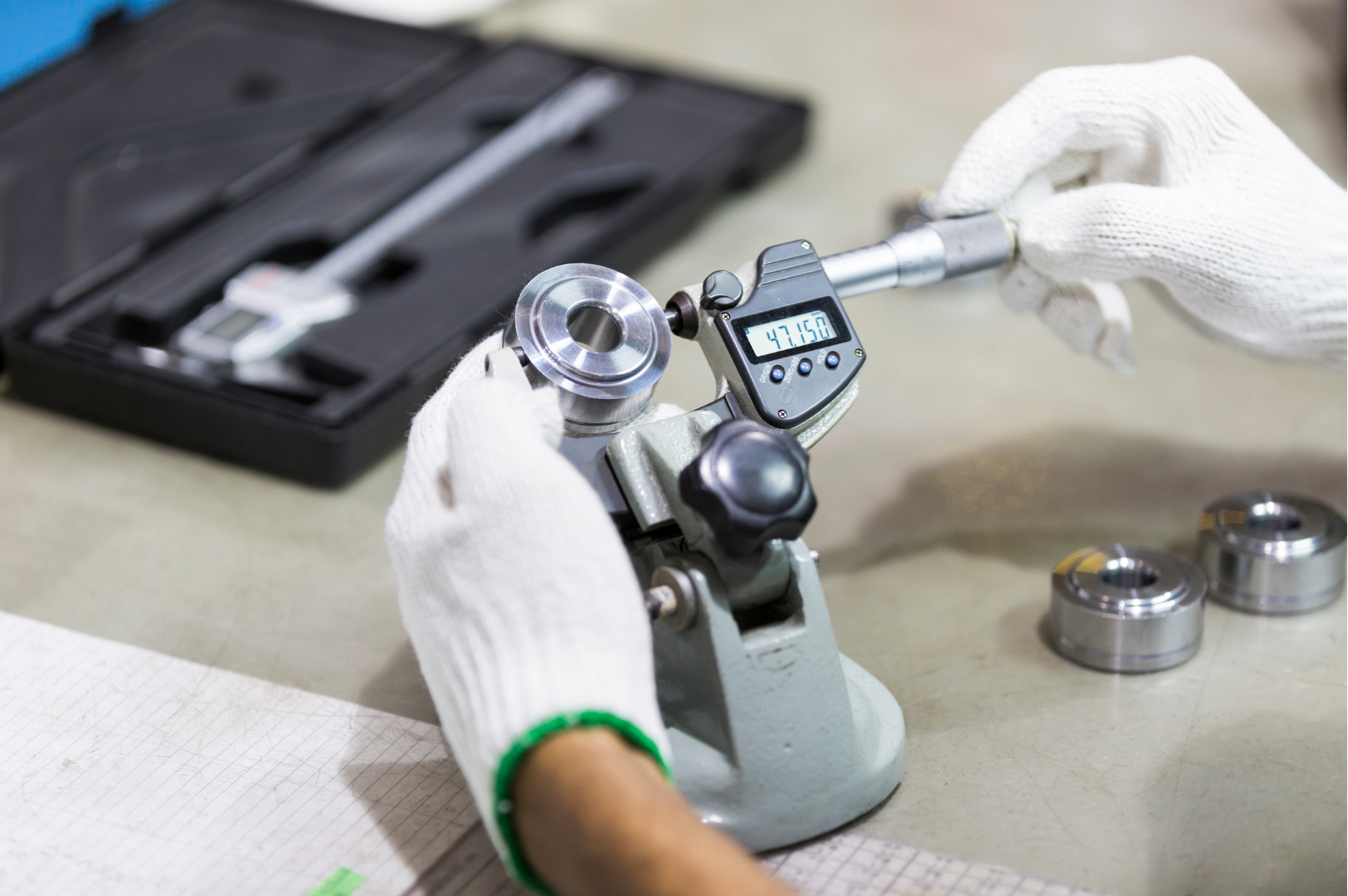
Why asset management matters
Reliable information helps teams locate equipment, schedule care and avoid unnecessary replacement. Managers can assess whether an item is available, under repair or no longer suitable for use.
It also supports risk reviews. A history of repeated faults may indicate that the equipment, its application or the maintenance approach needs attention.
An organised record makes these decisions easier to explain and review. It does not replace a competent inspection or prove that an asset is safe merely because it appears in a database.
Monitoring performance and condition
Asset performance management focuses on how well equipment operates and how its condition changes. Teams may review downtime, faults, maintenance costs and use of available capacity.
Collect measurements that answer a practical question. If a shared tool is repeatedly unavailable, first establish whether it is heavily used, awaiting repair or simply not returned to its assigned location.
Planning maintenance
Preventive maintenance schedules work based on time or use. Condition-based approaches respond to observed condition, while predictive methods use suitable data to anticipate future maintenance needs.
The approach should reflect the equipment, manufacturer guidance and consequences of failure. Digital reminders help organise work, but servicing and inspection still need to be carried out and recorded.
Connecting asset information with operations
Integration with purchasing, finance or maintenance systems can reduce repeated entry. Before connecting platforms, agree which system controls asset identities, status and service records.
Consistent identifiers are important. A locker record and a maintenance record must refer to the same physical tool if the information is to support a reliable decision.
An illustrative shared-tool example
A workshop shares a torque wrench across shifts. Its record identifies the tool, its storage location and the person who last collected it. A separate inspection or calibration process determines whether it is ready for use.
When the tool is reported damaged, the team separates it from available equipment and follows the maintenance process. The example shows why custody records and condition records work together.
Where SmartBeeBox can help
Origo smart lockers and Orbix carousel storage bring controlled tool storage together with user-linked collection, return and condition records.
- Plan maintenance: use recorded tool activity and reported faults to organise follow-up.
- Review use and condition: see tool usage, operator-reported problems and repair requests to identify equipment needing attention.
- Prepare for calibration: set reminders based on calendar days, operating hours, usage count or usage length, according to the activity data available.
- Keep teams informed: calibration alerts, email notifications and reports help responsible personnel plan and document their work.
Explore tool calibration management or see calibration support with Orbix.
These functions support the tool-control and maintenance activities found within a computerised maintenance management system (CMMS). Where a wider CMMS is already used, agree how asset IDs, repair status and maintenance records will be shared.
Discuss your asset and maintenance workflow with SmartBeeBox.
Frequently asked questions
What is the difference between asset management and inventory management?
Inventory management focuses on quantities, movement and replenishment. Asset management follows identifiable resources through use, maintenance and replacement. Shared tools can require both approaches.
Is asset management the same as maintenance?
Maintenance is one part of asset management. The wider process also includes planning, acquisition, use, costs and retirement.
Can a smart locker replace an entire asset management system?
A locker can support storage, access and custody records. Broader maintenance planning, financial records and lifecycle decisions may need other systems and processes.